flyfishing
Precision Casting in Conditions That Demand It
Flyfishing in Fishing Charters for anglers seeking sight-based presentations in shallow water environments
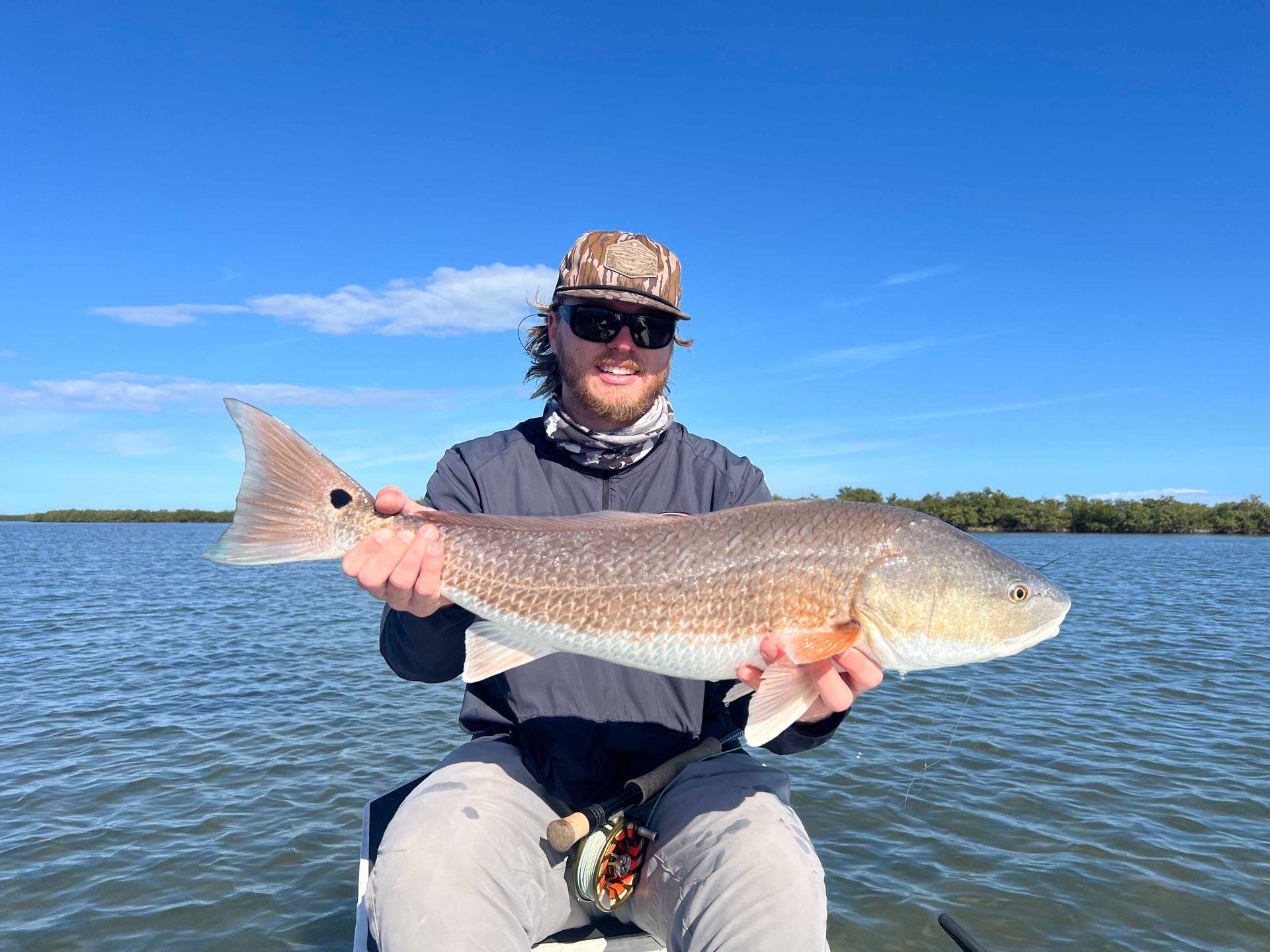
Cptn Bach Charters operates flyfishing excursions in Fishing Charters where water clarity and fish behavior require casting accuracy over equipment power. You're working with a guide who positions the boat to give you clean approach angles to feeding fish in skinny water where conventional tackle creates too much disturbance. The presentation matters more than the retrieve when redfish, permit, or bonefish are tailing in eighteen inches of water over sand or grass flats.
Flyfishing in these conditions involves reading current seams, identifying feeding lanes, and delivering flies that match the size and movement pattern of what the fish are actively pursuing. You're casting to visible targets rather than blind-fishing structure, which means timing the presentation to intercept a fish already committed to a feeding path. The guide handles boat positioning and calls the shots while you focus on line management and accuracy within a narrow window.
Book a guided trip to work specific flats based on tide timing and seasonal patterns.

Why Flyfishing Works in Sight-Based Scenarios
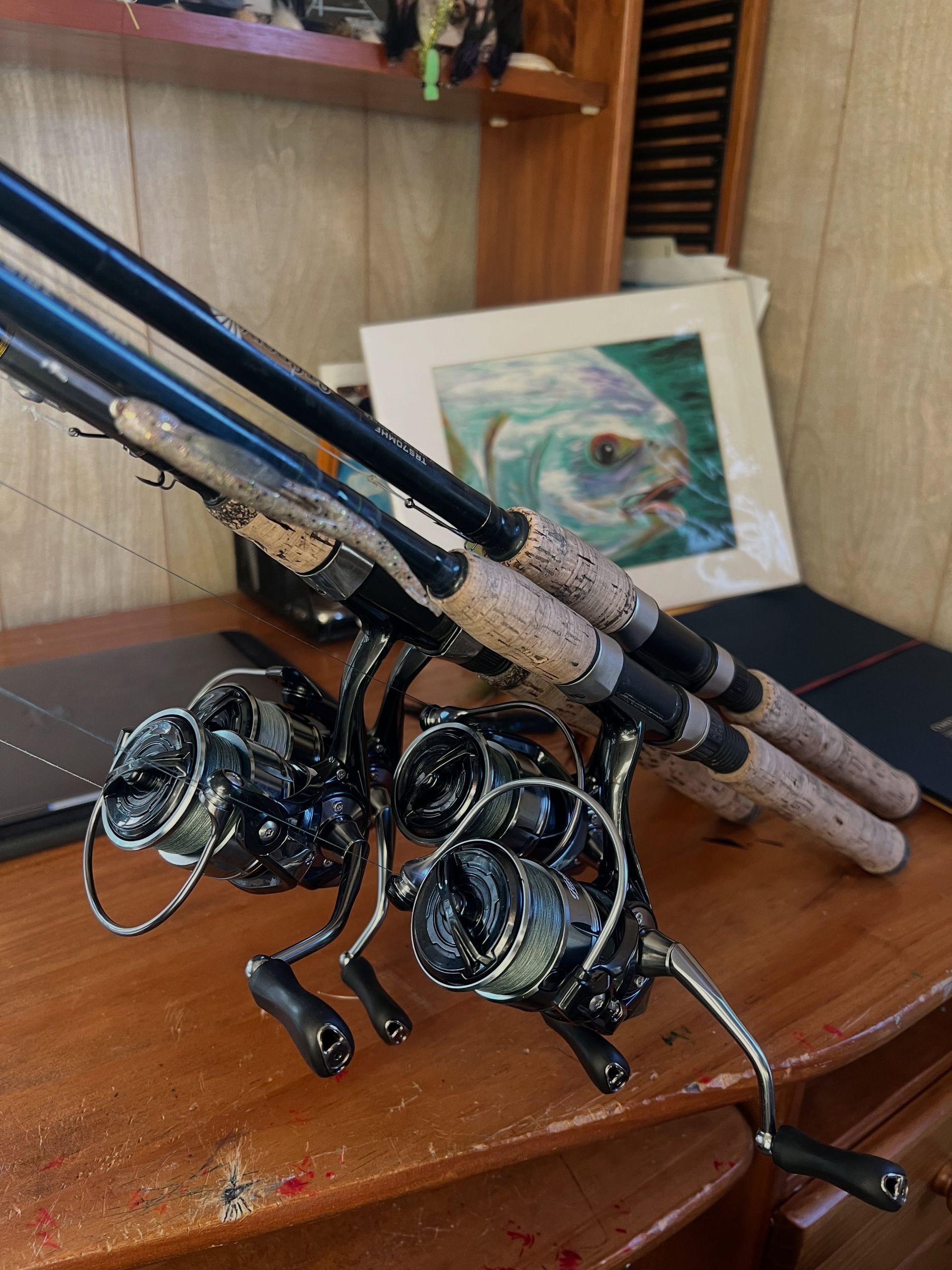
Flyfishing excels in situations where you need a quiet entry and natural drift through the strike zone. The weighted fly lands softer than metal lures, and the slower sink rate allows fish time to track and commit without spooking in clear, shallow water. You're controlling the fly with line tension and rod angle rather than reel retrieval, which gives you finer control over speed and direction when fish are following but hesitant.
After the trip, you'll recognize how water temperature and light angle affect fish positioning on the flats. Cptn Bach Charters adjusts launch times and locations to match the conditions that concentrate fish in wadeable or pole-able zones. You'll notice how fish respond to fly color, profile, and landing distance—details that separate refusals from aggressive takes when the fish are visible but selective.
The service includes rod setup, leader construction, and fly selection based on what's been producing in recent sessions. You're not expected to arrive with a full saltwater fly arsenal or know how to build a shock tippet for toothy species. The guide provides terminal tackle and adjusts the rig as conditions change throughout the trip.
Trip Rates
Full day trip
8 hours
Launch from an hour before sunrise to 9am
$700
¾ day trip
6 hours
Early morning or early afternoon
$600
Half day trip
4 hours
Morning or afternoon
$500
What Anglers Ask Before the Trip
Flyfishing charters raise specific questions about casting skill requirements, tackle logistics, and how weather affects the approach. Below are answers that clarify what the trip involves and how to prepare.
What casting distance is required for flats flyfishing?
Most shots occur between thirty and fifty feet, where accuracy matters more than distance. The guide positions the boat to shorten your cast and give you favorable wind angles, so you're rarely pushing maximum range under pressure.
How does tide timing affect flyfishing success in Fishing Charters?
Falling tides concentrate baitfish and crustaceans in narrower channels and shoreline edges, which draws predator fish into predictable ambush zones. You're fishing the last two hours of outgoing tide and the first hour of incoming when fish activity peaks in accessible water depths.
What happens if wind conditions exceed comfortable casting limits?
The guide shifts to leeward shorelines or protected coves where wind shadow allows cleaner presentations, or switches to slightly heavier flies and shorter leaders that turn over more reliably in gusts above fifteen knots.
How are fly patterns selected for each trip?
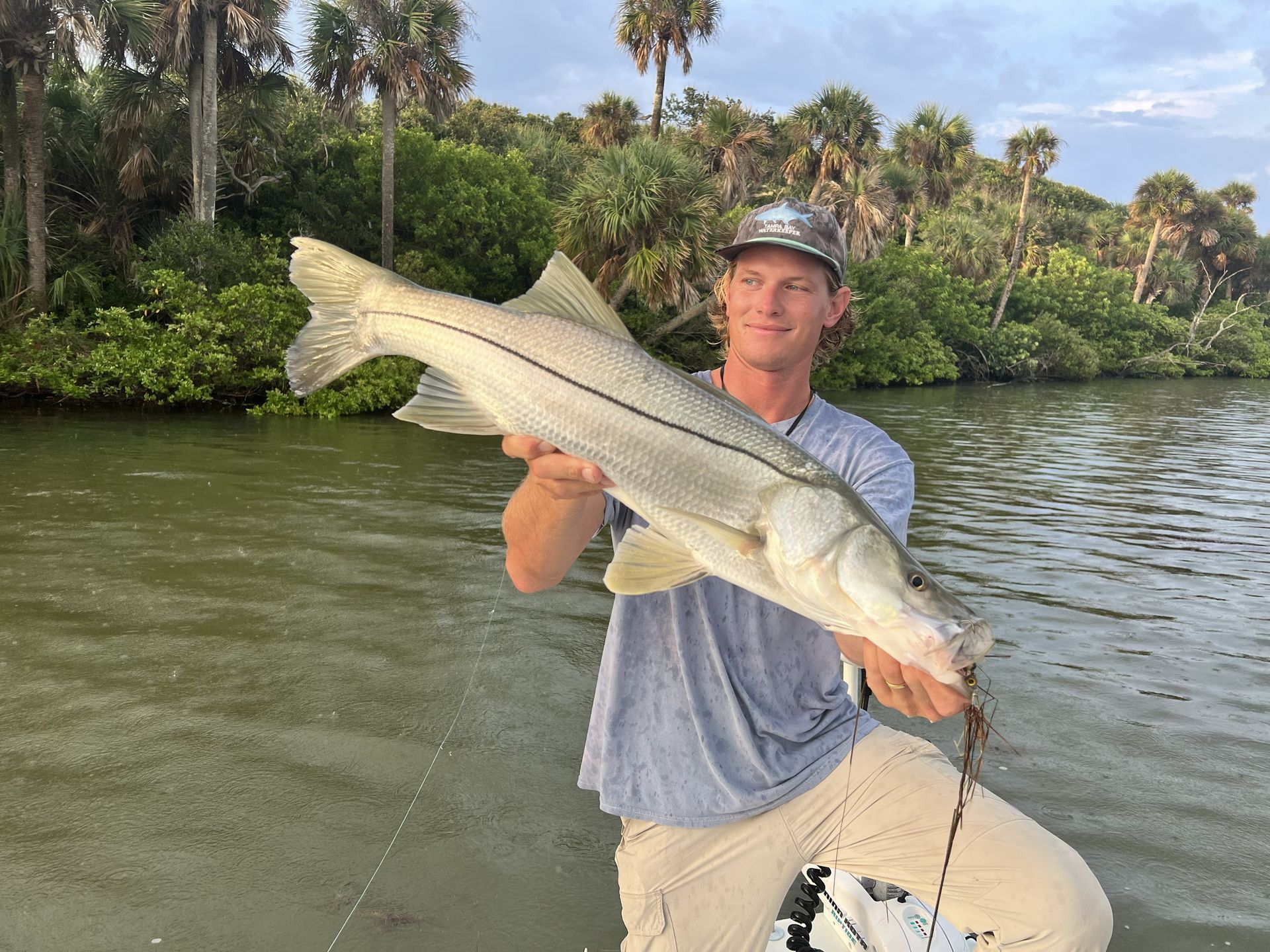
Light tackle casting with soft plastics, topwater lures that create surface disturbance, live bait presentations around structure, and fly fishing methods all work when matched to water depth, clarity, and how fish are feeding.
What skill level is needed to fish effectively on a guided flyfishing charter?
You should be able to cast forty feet with reasonable accuracy and manage line during the retrieve without tangling. The guide handles fish spotting, boat positioning, and coaching through the presentation sequence, so intermediate casting ability is sufficient for most flat conditions.
Cptn Bach Charters schedules trips around tide windows and weather fronts that create optimal flats conditions. Reserve a charter to target species that respond to flyfishing tactics in the skinny water zones where they feed most aggressively.